What We Can Learn From The Latest Report On Toddler Foods
A recent CNN report highlighted new research showing that more than 80% of foods marketed to toddlers are ultra-processed, and nearly half fail to meet at least one nutritional benchmark established by the World Health Organization.
Headlines like these can leave parents feeling frustrated, discouraged, or even guilty about the foods they buy for their families.
Rather than focusing on fear or blame, I think this report offers several valuable lessons that can help parents make confident, practical choices...
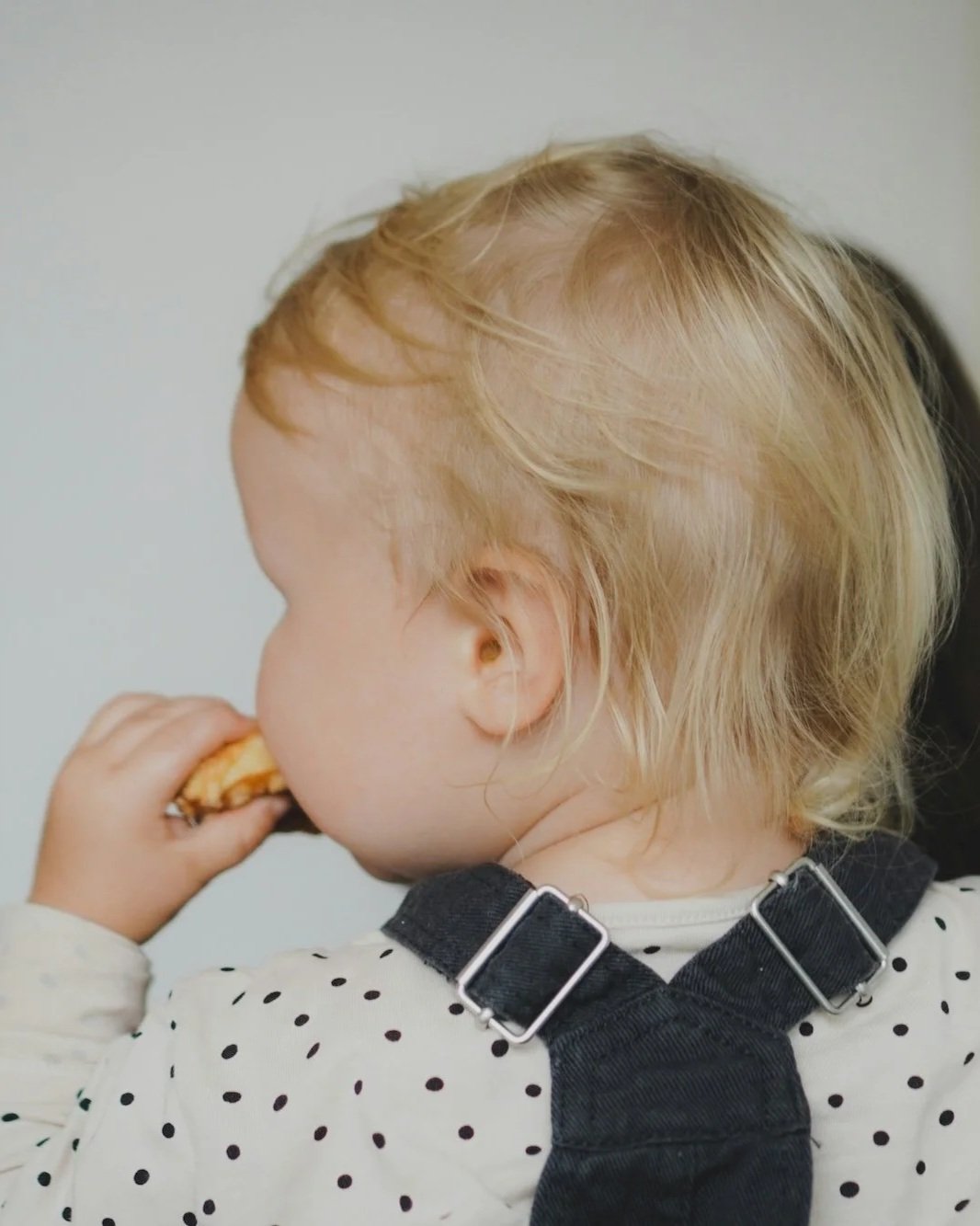
1. Healthy Habits Start Early
The article emphasized the importance of the first 1,000 days of life—a period from conception through a child's second birthday when nutrition plays a critical role in growth and development. During this time, the brain, immune system, and body are developing rapidly, making nutritious foods especially important.
But the opportunity doesn't end after those first 1,000 days. Healthy habits established throughout childhood continue to influence physical health, mental well-being, food preferences, and lifelong eating patterns. Every meal is another opportunity to help children learn to enjoy nourishing foods and build a positive relationship with eating.
The goal isn't perfection. It's consistency over time.
2. Babies Don't Need a Separate Menu
One of the best pieces of news for busy families is that around 6 months of age, babies can begin eating many of the same foods as the rest of the family, as long as those foods are prepared in safe, age-appropriate ways. Most of the time just cutting or mashing is all that is needed.
This approach has several benefits. Preparing one family meal instead of separate meals can save both time and money while allowing babies to participate in family mealtimes from the very beginning. Eating together also gives children the opportunity to watch parents and siblings enjoy a variety of foods. This modeling is an important part of learning to eat and can minimize picky eating phase.
Rather than relying on products specifically marketed for toddlers, many families can simply adapt the nutritious meals they are already preparing at home.
3. Cut Through the Marketing Noise
Walk down the baby food aisle and you'll find packages covered with phrases like "made for toddlers," "organic," "natural," or "fortified with vitamins." While these claims may sound reassuring, they don't automatically mean a product is the healthiest choice.
Instead of getting caught up in marketing messages, it helps to return to the basics.
At Imago Nutrition, we encourage families to build meals and snacks around what we call the Four Pillars of Nutrition:
Lean meat, seafood, and dairy
Fruits and vegetables
Whole grains
Nuts and seeds (served in age-appropriate ways such as nut butters)
These foods provide the nutrients children need to grow while helping them develop a taste for a wide variety of flavors and textures. The earlier children become familiar with whole foods, the more likely they are to continue enjoying them as they grow.
One Recipe at a Time
Food companies don't have to make healthy foods appealing for your child. Repeated exposures can. Children learn to enjoy nutritious foods through consistent experiences at home.
That doesn't mean every meal will be accepted. In fact, it's completely normal for babies and toddlers to reject foods multiple times before accepting them. Continue offering a variety of nutritious options without pressure. Every exposure is another opportunity for learning.
Over time, these small moments add up to lasting habits.
The Bottom Line
The recent report isn't a reason to panic—it's a reminder to simplify. Rather than searching for the perfect toddler snack or the package with the healthiest claims, focus on serving real, nourishing foods as part of family meals whenever possible.
Healthy eating doesn't come from a single product. It comes from the habits we build every day: eating together, offering a variety of whole foods, and creating an environment where children can learn to enjoy them.
One meal. One recipe. One family at a time.
Those small choices today can help shape a lifetime of healthy eating.
If you could use personalized guidance on what this means for you and your family, don’t hesitate to CONTACT US.
We’re here to help.
