5 Reasons You Lost Weight Traveling to Europe This Summer (And How You Can Do It At Home)
Reviewed By Danielle Glesne, RDN, LD, CDCESMany people return from a European vacation surprised to discover that they lost weight while enjoying incredible food, desserts, and local cuisine.
I recently returned from 8 days in Italy with my wife celebrating 20 years of marriage. As we immersed ourself in Italian food culture (which you can read about in my article: 8 Lessons from Italian Food Culture), it was easy to see up-close and experience first-hand why Americans commonly lose weight during their travels to Europe.
Here are the five reasons that were most obvious to me…
1. You Ate Smaller Portions
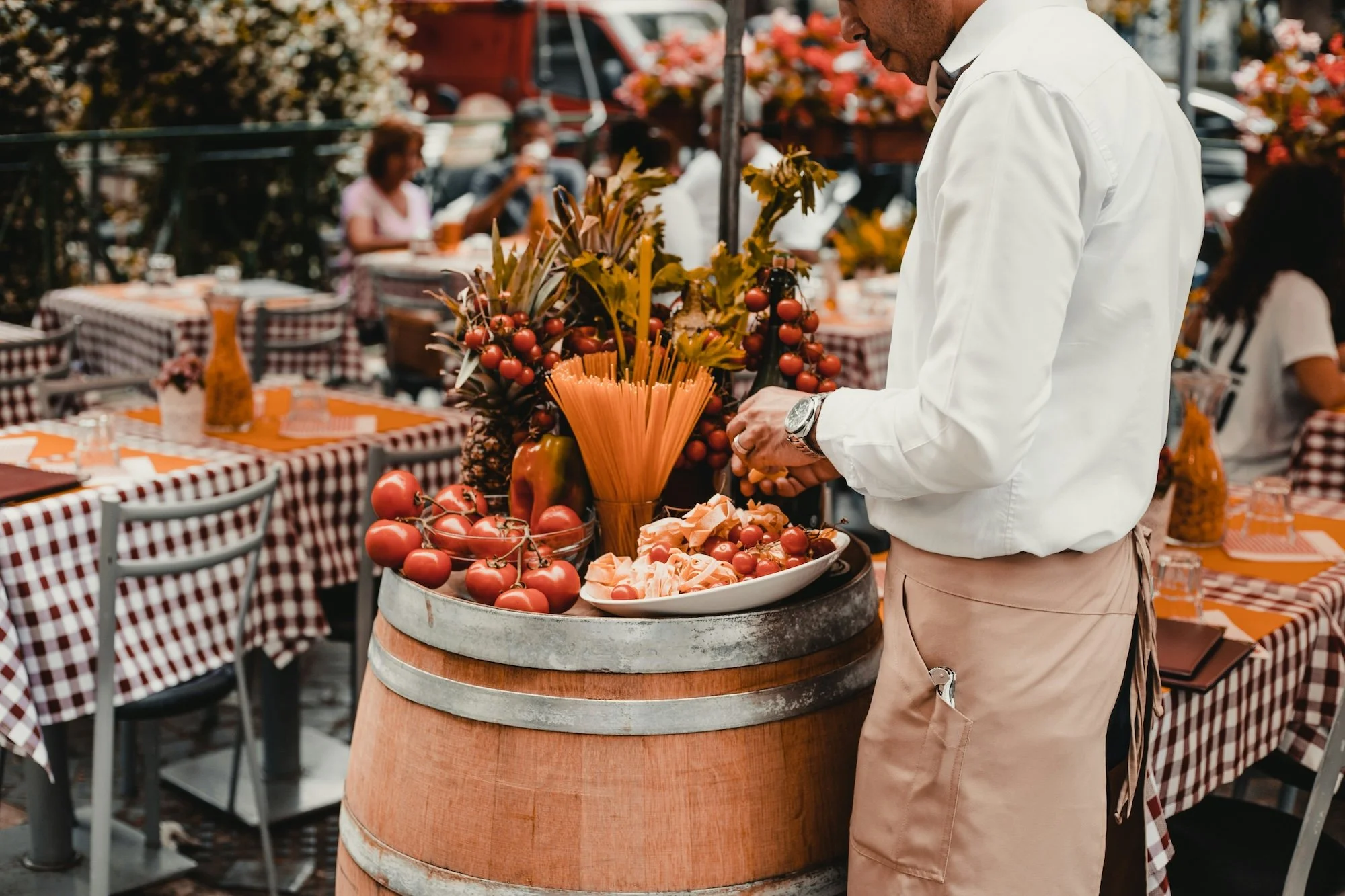
Many European meals are served in more moderate portions compared to typical restaurant servings in the United States.
Eating slightly less at each meal reduces overall calorie intake while still allowing you to enjoy the foods you love.
How you can do it at home: Practice serving yourself slightly smaller portions and give yourself permission to have more if you are still genuinely hungry. Use smaller plates, prioritize protein and vegetables first, and focus on eating until satisfied rather than eating until you are overly full.
2. You Ate Simpler Meals
Traditional European cuisine often focuses on simple meals built around a few high-quality ingredients rather than oversized, heavily processed dishes.
Meals centered around lean proteins, vegetables, fresh breads, fruits, and minimally processed foods can be both satisfying and naturally easier to manage.
How you can do it at home: Build meals around simple, whole-food ingredients instead of relying on highly processed convenience foods. A meal with a quality protein source, colorful vegetables, a healthy carbohydrate, and a flavorful seasoning can be both satisfying and easy to prepare.
3. You Ate Higher-Quality Ingredients
Fresh produce, locally sourced foods, quality proteins, and traditional preparation methods often make European meals more nutrient-dense and satisfying.
When your food is more flavorful and filling, you may naturally eat less because your body receives more of what it needs.
How you can do it at home: Focus more of your grocery budget on nutrient-dense foods like fresh produce, lean proteins, whole grains, and minimally processed ingredients. Higher-quality foods often provide more flavor and nutrition, making healthy eating feel less like a sacrifice and more like an upgrade.
4. You Ate Slower
European dining culture often encourages sitting down, enjoying conversation, and taking more time with meals.
Eating slower gives your body more time to recognize fullness, which can help prevent overeating and improve your overall relationship with food.
How you can do it at home: Create a habit of slowing down during meals by putting away distractions, chewing thoroughly, and taking time to enjoy your food. Eating more mindfully allows your body to better recognize hunger and fullness signals, which can naturally reduce overeating.
5. You Walked a Lot More
Exploring European cities often means walking everywhere—from sightseeing and shopping to getting meals and experiencing local neighborhoods.
That increase in daily movement can significantly raise calorie expenditure while also improving cardiovascular health and overall energy.
How you can do it at home: Look for opportunities to increase your daily movement by taking more walks, parking farther away, using the stairs, or adding short walks throughout your day. You don't need to spend hours in the gym to benefit from movement—consistent daily activity can make a significant difference in your health and weight management.
Bottom Line
The reason many people lose weight in Europe is because they embraced—if only for a short while—a lifestyle built around balance, quality, and movement.
Bringing even a few of these habits home can help you create a healthier approach to eating and living long after your vacation ends.
The goal isn't to copy a vacation perfectly—it's to bring home the habits that made you feel healthier, more energized, and more connected to your experience.
If you’d like personalized guidance on what this means for you and your family, don’t hesitate to CONTACT US.
We’re here to help.