What Are the Four Pillars of Nutrition and How Do You Apply Them in Real Life?
Reviewed By Danielle Glesne, RDN, LD, CDCESEating healthier can feel complicated.
Walk into any bookstore, scroll through social media, or search online for nutrition advice, and you'll find endless opinions about what you should and shouldn't eat.
One person says you should avoid carbohydrates. Another says you should eliminate fat. Another says you need a specific diet plan, supplement stack, or set of rules to succeed.
But healthy eating doesn't have to be complicated…
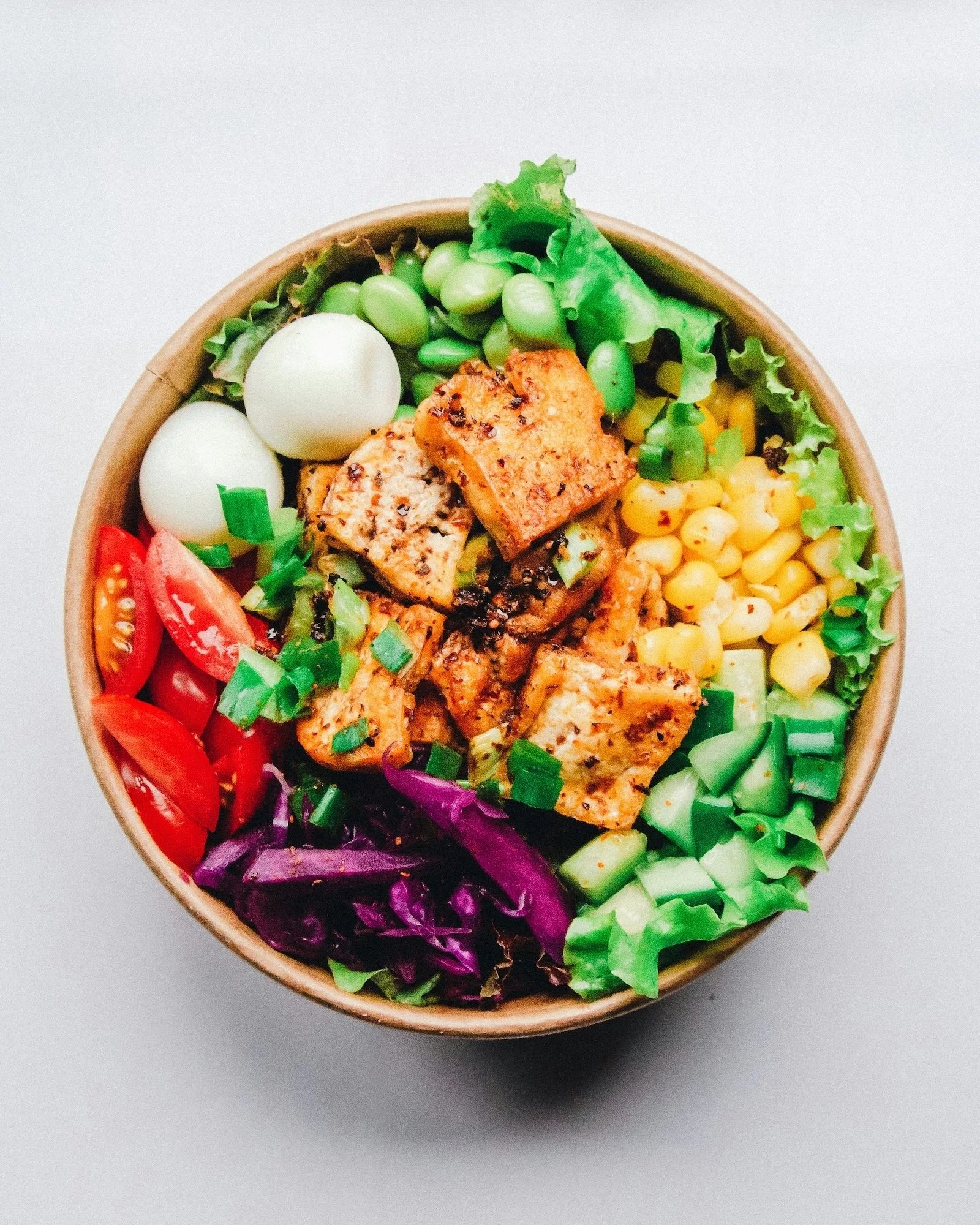
What Are The Four Pillars of Nutrition?
The Four Pillars of Nutrition is a simple framework designed to fulfill your body's core nutritional needs while fueling positive long-term health outcomes by prioritizing a greater variety of nutrient-dense foods.
These are not the only foods you can eat. Rather, these are foods to gradually and consistently begin preferring more often in your daily routine to help you reach your goals and experience a wider range of health benefits.
The Four Pillars are:
Lean meat, seafood, and dairy
Fruits and vegetables
Whole grains
Nuts and seeds
Think of these pillars as the foundation of a balanced nutrition approach.
The goal isn't perfection. The goal is building meals and habits that consistently support your health.
Pillar 1: Lean Meat, Seafood, and Dairy
Protein is one of the most important nutrients for your body.
It supports muscle growth and maintenance, helps you feel full after meals, supports immune function, and plays a critical role in countless processes throughout your body.
Great sources of this pillar include:
Chicken
Turkey
Lean beef
Pork tenderloin
Fish
Shrimp
Eggs
Greek yogurt
Cottage cheese
Milk
Low-fat cheese
How to Grocery Shop This Pillar
Start your shopping trip by choosing several protein options for the week.
For example:
Rotisserie chicken for quick meals
Ground turkey for tacos or bowls
Salmon or shrimp for dinner
Greek yogurt for breakfast or snacks
Eggs for easy protein throughout the week
A helpful strategy is to buy a mix of convenient options and ingredients you enjoy cooking. The best protein source is the one you will actually eat consistently.
Pillar 2: Fruits and Vegetables
Fruits and vegetables provide essential vitamins, minerals, fiber, antioxidants, and other beneficial compounds that support overall health.
This pillar is about increasing variety and color on your plate.
Examples include:
Berries
Apples
Bananas
Citrus fruits
Leafy greens
Broccoli
Peppers
Carrots
Tomatoes
Potatoes
Squash
How to Grocery Shop This Pillar
Make produce a priority instead of an afterthought.
A simple approach:
Choose two or three fruits you enjoy
Choose several vegetables you can eat throughout the week
Buy fresh, frozen, or canned options depending on convenience and budget
Frozen vegetables and fruits are excellent choices because they are affordable, last longer, and maintain all of their nutritional value.
Pillar 3: Whole Grains
Carbohydrates are an important source of energy, especially for active individuals.
Whole grains provide carbohydrates along with fiber and important nutrients that refined grains often lack.
Examples include:
Oats
Brown rice
Whole-grain bread
Whole-grain pasta
Quinoa
Barley
Popcorn
How to Grocery Shop This Pillar
Look for grain options that are minimally processed and provide more fiber.
Instead of thinking, "I need to avoid carbs," think:
"How can I choose higher-quality carbohydrate sources more often?"
A bowl of oatmeal with berries and Greek yogurt is a very different nutritional experience than a sugary breakfast pastry.
Pillar 4: Nuts and Seeds
Nuts and seeds provide healthy fats, fiber, minerals, and plant-based protein.
They are also incredibly convenient, making them one of the easiest pillars to incorporate into your routine.
Examples include:
Almonds
Walnuts
Pistachios
Cashews
Pumpkin seeds
Chia seeds
Flax seeds
Nut butters
How to Grocery Shop This Pillar
Keep easy options available.
Add:
Almonds to your desk or pantry
Chia seeds to smoothies or yogurt
Peanut butter to fruit or whole-grain toast
Nuts to salads or oatmeal
Because nuts and seeds are calorie-dense, focus on appropriate portions while still appreciating the nutritional value they provide.
Applying the Four Pillars in Real Life
The biggest mistake people make with nutrition frameworks is thinking they only work when life is perfectly controlled.
Real life includes restaurants, travel, busy schedules, celebrations, and unexpected situations.
The Four Pillars are designed to work anywhere.
Using the Four Pillars at Restaurants
You don't need to avoid restaurants to eat healthier.
Instead, look for opportunities to include the pillars.
Examples:
Grilled chicken sandwich:
Lean protein: chicken
Whole grain: whole-grain bun
Vegetable: lettuce, tomato, side salad
Mexican restaurant:
Lean protein: chicken, steak, shrimp, beans
Fruits/vegetables: salsa, fajita vegetables, guacamole
Whole grains: corn tortillas, brown rice
Nuts/seeds: toppings like seeds or avocado-based options
Italian restaurant:
Lean protein: chicken, seafood
Fruits/vegetables: vegetables, tomato-based sauces, salads
Whole grains: whole-grain pasta when available
The goal isn't finding a "perfect" meal. It's making choices that move you closer to your goals.
Using the Four Pillars While Traveling
Travel often disrupts routines, but it doesn't have to derail your nutrition.
Whether you're traveling across the country or around the world, look for familiar patterns.
At hotels:
Choose eggs, yogurt, fruit, and oatmeal at breakfast
Add vegetables and protein whenever possible
Keep nuts or seeds available for snacks
At airports:
Look for Greek yogurt, fruit cups, grilled chicken options, salads, sandwiches with protein, or snack packs containing nuts.
When traveling internationally:
Local cuisines often naturally emphasize many of the Four Pillars.
Examples:
Mediterranean destinations:
Seafood
Vegetables
Whole grains
Nuts and seeds
Yogurt
Asian cuisines:
Seafood and lean proteins
Vegetables
Rice and whole grains
Nuts and seeds
Latin American cuisines:
Beans
Lean meats
Fruits
Vegetables
Whole grains
Travel is actually an opportunity to experience new, nutrient-dense foods… not a reason to abandon healthy habits.
Using the Four Pillars at a Gas Station
Road trips are where nutrition habits are often tested.
While a gas station may not offer a perfect meal, you can still find better options.
Look for:
Lean meat, seafood, and dairy:
Beef jerky
Turkey sticks
Greek yogurt
Cheese sticks
Hard-boiled eggs
Fruits and vegetables:
Fresh fruit
Vegetable snack packs
Fruit cups
Whole grains:
Whole-grain crackers
Oatmeal cups
Granola options
Nuts and seeds:
Almonds
Trail mix
Nut packs
You don't need a perfect grocery store to make a better choice.
The Goal Is Progress, Not Perfection
The Four Pillars of Nutrition aren't a list of foods you can never deviate from. It’s not a diet.
Instead, they are a framework to help you consistently make more nutrient-dense choices.
Some meals won't include every pillar.
Some days won't go according to plan.
That's okay.
The goal is not to create a restrictive diet. The goal is to build a sustainable pattern of eating that supports your health, your goals, and your lifestyle.
The Bottom Line
The Four Pillars of Nutrition provide a simple way to build healthier eating habits without unnecessary complexity. By consistently prioritizing lean proteins, fruits and vegetables, whole grains, and nuts and seeds, you give your body more of the nutrients it needs to perform, recover, and thrive.
Healthy eating isn't about finding the perfect diet.
It's about learning how to make better choices… wherever life takes you.
If you’d like personalized guidance on what this means for you and your family, don’t hesitate to CONTACT US.
We’re here to help.