Reviewed By Danielle Glesne, RDN, LD, CDCESEating healthier doesn't require a complete diet overhaul.
You don't need to eliminate sugar, follow a complicated meal plan, or cook every meal from scratch. In fact, the most effective changes are often the simple ones you can repeat consistently.
If you want to eat healthier this week, focus less on what you need to stop eating and more on what you can consistently add, prioritize, and prepare.
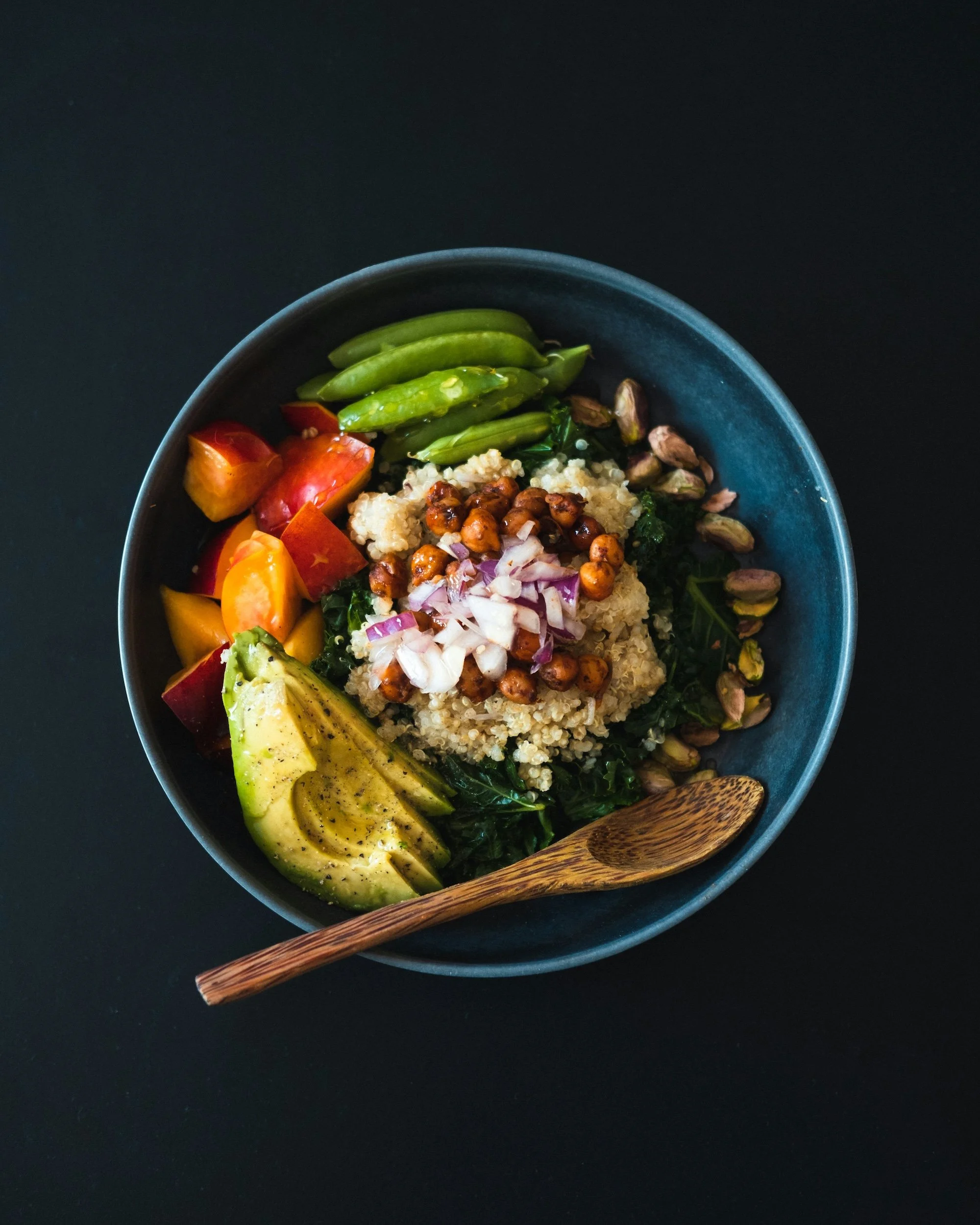
1. Build More Meals Around the Four Pillars of Nutrition
One of the simplest ways to improve your overall diet is to prioritize the Four Pillars of Nutrition:
Lean meat, seafood, and dairy
Fruits and vegetables
Whole grains
Nuts and seeds
These aren't the only foods you can eat, nor do you need every pillar at every meal. Instead, use them as a framework for gradually and consistently choosing a greater variety of nutrient-dense foods.
For example, breakfast might include eggs, whole-grain toast, and fruit. Lunch could be a turkey sandwich with vegetables, while dinner could be salmon, brown rice, and roasted vegetables.
Think preference, not perfection.
2. Add a Fruit or Vegetable to Every Meal
If you're looking for one incredibly simple nutrition habit, start here.
Look at what you're already eating and ask:
"What fruit or vegetable could I add to this?"
Add berries to your oatmeal.
Put spinach and tomatoes in your eggs.
Have an apple with your lunch.
Add a side salad to dinner.
Throw some frozen vegetables into your stir-fry.
You don't necessarily need to remove something from your diet to make it healthier. Sometimes the best nutritional improvement is simply adding more nutrient-dense foods.
3. Make Protein a Priority
Protein is an important nutrient for maintaining and building muscle, and protein-rich foods can also help you feel satisfied after meals.
Rather than waiting until the end of the day to see how much protein you've consumed, make it part of your meal planning.
Eggs, Greek yogurt, cottage cheese, chicken, turkey, lean beef, seafood, and dairy can all contribute to your protein intake.
Start your meal by asking, "What's my protein source?"
Then build the rest of the meal around it.
4. Swap Some Refined Grains for Whole Grains
You don't need to eliminate bread, pasta, rice, or other grains to eat healthier.
Instead, experiment with replacing some refined-grain choices with whole-grain alternatives.
Try oatmeal instead of a sugary breakfast pastry.
Whole-grain bread instead of white bread.
Brown rice or another whole grain instead of refined rice.
Whole-grain pasta instead of regular pasta.
The goal isn't to make every grain you eat a whole grain. It's to gradually make whole grains a more frequent part of your diet.
5. Keep Nuts and Seeds Available
Nuts and seeds are an easy way to add nutrient-dense foods to your routine.
Keep almonds, walnuts, pistachios, pumpkin seeds, chia seeds, or other options available for snacks or meals.
Add nuts to oatmeal or yogurt. Sprinkle seeds on salads, grain bowls, or smoothies.
Just remember that nuts and seeds are relatively calorie-dense, so portions can matter if you're trying to manage your calorie intake.
Healthy food can still contribute calories.
6. Plan Your Nutrition Before You're Hungry
One of the easiest ways to make less-than-ideal food choices is to wait until you're extremely hungry before deciding what to eat.
Take 10–15 minutes at the beginning of the week to think about your meals.
What are you going to eat for breakfast?
What will you take for lunch?
Which nights will you cook?
When will you eat out?
What snacks will you have available?
Then make sure you have the ingredients you need.
You don't need a rigid seven-day meal plan. You simply need enough planning to make nutritious choices easier when you're busy or hungry.
7. Make One "Upgrade" to a Meal You Already Eat
You don't have to reinvent your diet this week.
Take a meal you already eat regularly and make one nutritional improvement.
Add vegetables to your pasta.
Use lean ground beef or turkey in your tacos.
Add fruit to breakfast.
Swap some refined grains for whole grains.
Add Greek yogurt to a snack.
Replace some of your usual snack foods with nuts or seeds.
Small upgrades compound.
The goal isn't to create a completely different diet overnight. It's to make your existing diet a little better, one decision at a time.
The Bottom Line
Eating healthier this week doesn't require perfection or a complicated nutrition strategy.
Start by prioritizing the Four Pillars of Nutrition, adding more fruits and vegetables, making protein a priority, choosing more whole grains, incorporating nuts and seeds, planning ahead, and making small upgrades to meals you already enjoy.
You don't have to change everything.
Just make a few better choices this week—and then do it again next week.
If you’d like personalized guidance on what this means for you and your family, don’t hesitate to CONTACT US.
We’re here to help.