Reviewed By Danielle Glesne, RDN, LD, CDCESVolleyball may not look like an endurance sport to onlookers, but competitive volleyball places significant demands on the body.
Players need explosive power for jumping and hitting, speed and agility for movement around the court, strength for repeated efforts, and enough endurance to maintain performance throughout practices and matches.
That makes nutrition an important part of volleyball performance.
The goal isn't to follow a special “volleyball diet.” It's to consistently provide your body with enough energy, carbohydrates, protein, healthy fats, fluids, and micronutrients to support training, recovery, and performance.
Here are some key pieces of nutrition advice for volleyball players…
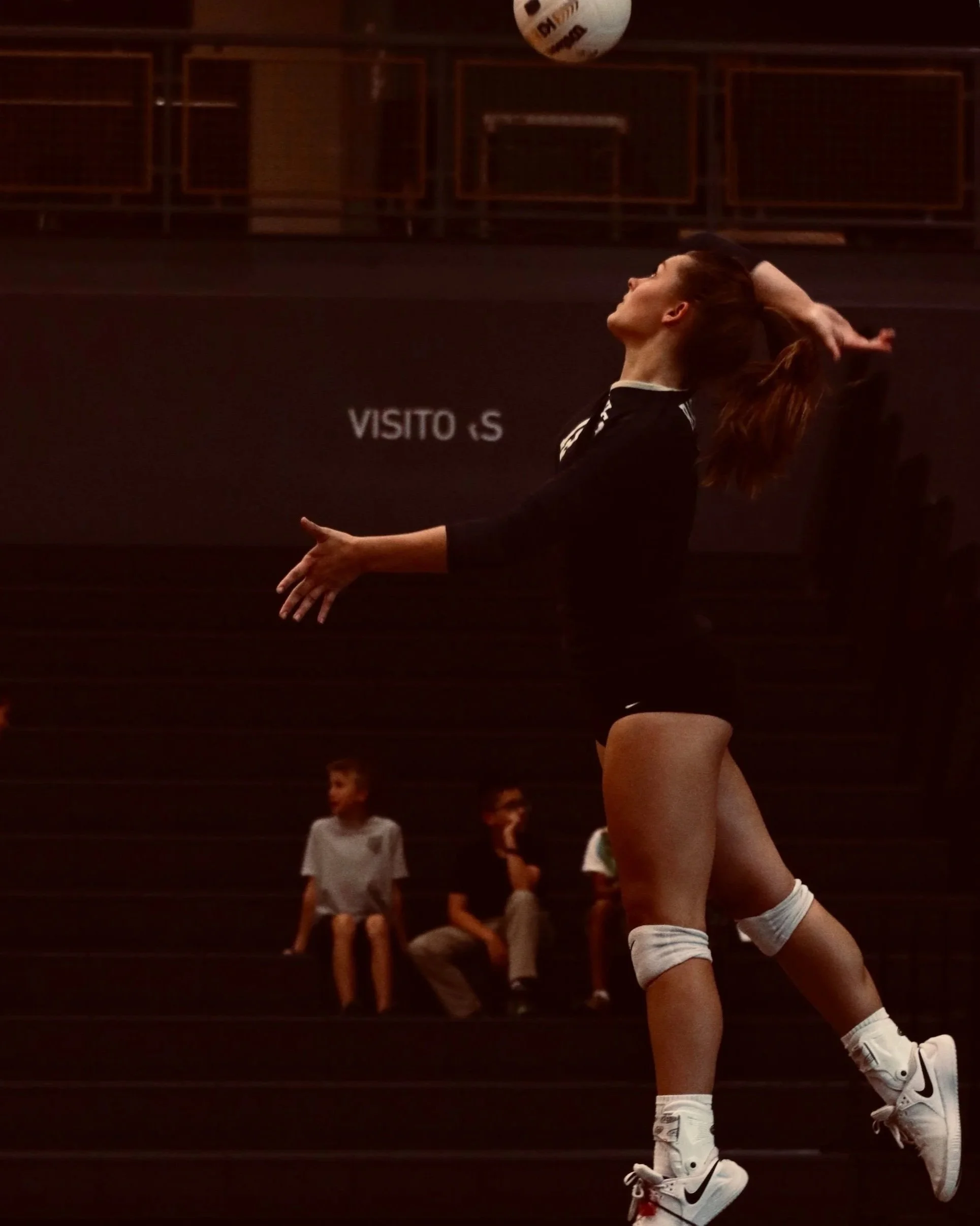
1. Don't Underfuel
One of the biggest mistakes an athlete can make is simply not eating enough.
Volleyball practices can be long and intense, and tournaments can require players to compete in multiple matches over several hours.
Consistently underfueling can make it harder to train effectively, recover between sessions, and maintain strength and performance.
Your goal isn't to eat as little as possible.
Your goal is to fuel the work you're asking your body to do.
2. Carbohydrates Are Your Friend
Carbohydrates are an important fuel source for high-intensity exercise.
Because volleyball involves repeated jumping, sprinting, hitting, blocking, and other explosive movements, athletes need adequate carbohydrate availability to support performance.
Good carbohydrate sources include:
Fruits
Potatoes
Rice
Oatmeal
Bread
Pasta
Whole grains
Beans
Don't fall into the trap of thinking carbohydrates are something you need to avoid because you're trying to stay lean.
Carbohydrates help you perform.
3. Protein Helps You Recover
Volleyball places repeated stress on your muscles, particularly through jumping, landing, hitting, and rapid changes of direction.
Protein provides the amino acids your body needs to repair and rebuild muscle after training.
Rather than trying to consume huge amounts of protein at one meal, include a quality source throughout the day.
Good choices include:
Eggs
Greek yogurt
Milk
Chicken
Turkey
Lean beef
Fish
Cottage cheese
Beans and other legumes
Adequate total energy matters, too. Protein can't compensate for chronically under-eating.
4. Don't Forget Healthy Fats
Dietary fat plays an important role in overall health and provides a concentrated source of energy.
Include nutritious sources such as nuts, seeds, avocado, olive oil and fatty fish.
You don't need to eliminate fat to perform well. Instead, focus on the overall quality and balance of your diet and adjust meal timing based on your individual needs.
5. Eat Breakfast
If you have morning practice, don't make skipping breakfast your default strategy.
A meal or snack containing carbohydrates and protein can help provide energy for training and begin the day with useful nutrients.
If you can't tolerate a full meal before an early practice, something smaller may work better:
Banana
Toast with peanut butter
Oatmeal
Yogurt and fruit
Smoothie
Cereal with milk
The best option depends on how much time you have before practice and what your stomach tolerates.
6. Hydrate Before You're Thirsty
Volleyball players can lose significant amounts of fluid through sweat, particularly during long practices, tournaments, or competition in hot environments.
Don't wait until you're extremely thirsty to start drinking.
Drink consistently throughout the day and increase your fluid intake when training demands and sweat losses are higher.
Your individual needs will vary based on factors such as body size, training duration, intensity, temperature, and sweat rate.
Do You Need Electrolytes?
Sometimes.
Water may be sufficient for shorter or less demanding sessions. But during prolonged, intense exercise—especially in hot conditions or when you're a heavy sweater—electrolytes and carbohydrate-containing sports drinks may be useful.
Your electrolyte needs are individual.
You don't automatically need an electrolyte supplement simply because you're an athlete.
7. Fuel Before Practice & Competition
Don't show up to practice or a match already depleted.
A pre-training or pre-competition meal should generally emphasize carbohydrates, with some protein and foods you know you tolerate well.
If you have several hours before competition, a normal balanced meal can work well.
As you get closer to playing, smaller and easier-to-digest carbohydrate-rich snacks may be more comfortable.
Examples include:
Banana
Applesauce
Pretzels
Toast
Sports drink
Low-fiber cereal
Granola or energy bar
Don't experiment with unfamiliar foods on game day.
8. Tournaments Require Planning
Volleyball tournaments can create a unique nutrition challenge because you may have long periods between matches followed by another intense bout of activity.
Don't rely on the concession stand or vending machine to provide everything you need.
Pack food and fluids ahead of time.
Good tournament options might include:
Fruit
Sandwiches
Yogurt
Granola bars
Pretzels
Crackers
Trail mix
Sports drinks
Water
The goal is to have convenient foods available so you can consistently refuel between matches.
9. Recovery Starts When You Finish
Getting off the court doesn't mean your nutritional needs stop.
After practice or competition, prioritize carbohydrates and protein to help replenish energy stores and support muscle repair.
Convenient recovery combinations include:
Chocolate milk and fruit
Greek yogurt with berries and granola
Turkey sandwich and fruit
Smoothie with milk and fruit
Eggs and toast
Chicken, rice and vegetables
If you have another practice or match coming soon, recovery becomes even more important.
10. Eat Between Matches
If you're playing multiple matches in one day, don't wait until the evening to eat a substantial meal.
Use the breaks between matches to replenish carbohydrates, fluids and, when appropriate, protein.
Keep foods relatively simple and familiar so you don't overwhelm your stomach before you have to play again.
The goal is to start your next match fueled—not stuffed.
11. Eat Your Fruits & Vegetables
Athletes sometimes become so focused on carbohydrates and protein that they forget about everything else.
Fruits and vegetables provide vitamins, minerals, fiber, carbohydrates, fluids and a wide variety of other beneficial compounds.
Try to include a variety of colors throughout the day.
You don't need a complicated supplement regimen to replace a diet built around nutritious whole foods.
12. Nutrition Should Match Your Training
Your nutrition doesn't need to look exactly the same every day.
A two-a-day practice schedule or tournament day will likely require more food and carbohydrates than a rest day.
Think of nutrition as matching your workload.
More training generally requires more fuel.
On lighter days, your nutritional needs may be lower. That doesn't mean you need to dramatically restrict your food—it simply means your intake can naturally adjust to your activity level.
13. Practice Your Game-Day Nutrition
Your nutrition strategy should be practiced just like your serve.
Experiment during training to figure out:
What foods you tolerate well
How much you can eat before playing
How much fluid you need
Whether you benefit from carbohydrates during longer sessions
What works between matches
Then use what you've learned when competition matters.
Game day is not the time to try something new.
14. The Four Pillars Still Apply
Volleyball players don't need a completely different approach to healthy eating.
A strong nutritional foundation still comes from the Four Pillars of Nutrition:
Lean meat, seafood and dairy
Fruits and vegetables
Whole grains
Nuts and seeds
We call these the Four Pillars of Nutrition.
And from that foundation, adjust your portions, carbohydrates, fluids and meal timing according to your training and competition schedule.
The Bottom Line
Volleyball performance isn't determined by one perfect pre-game meal or the latest sports supplement.
It's built through consistent fueling, adequate carbohydrates, sufficient protein, healthy fats, hydration and recovery.
Eat enough to support the work you're doing. Fuel before you play. Rehydrate and recover afterward.
Don't just train hard.
Fuel the athlete you're trying to become.
If you’d like personalized guidance on what this means for you or the volleyball player in your family, don’t hesitate to CONTACT US.
We’re here to help.