Reviewed By Danielle Glesne, RDN, LD, CDCESHockey demands a unique combination of speed, power, agility, strength, endurance, and mental focus. Players repeatedly accelerate, decelerate, change direction, battle along the boards, and produce explosive efforts throughout a game.
Those demands make nutrition especially important.
The goal isn't simply to eat healthy. It's to consistently provide your body with the fuel and nutrients it needs to train, compete, and recover.
Here are some key pieces of nutrition advice for hockey players…
Don't Underfuel
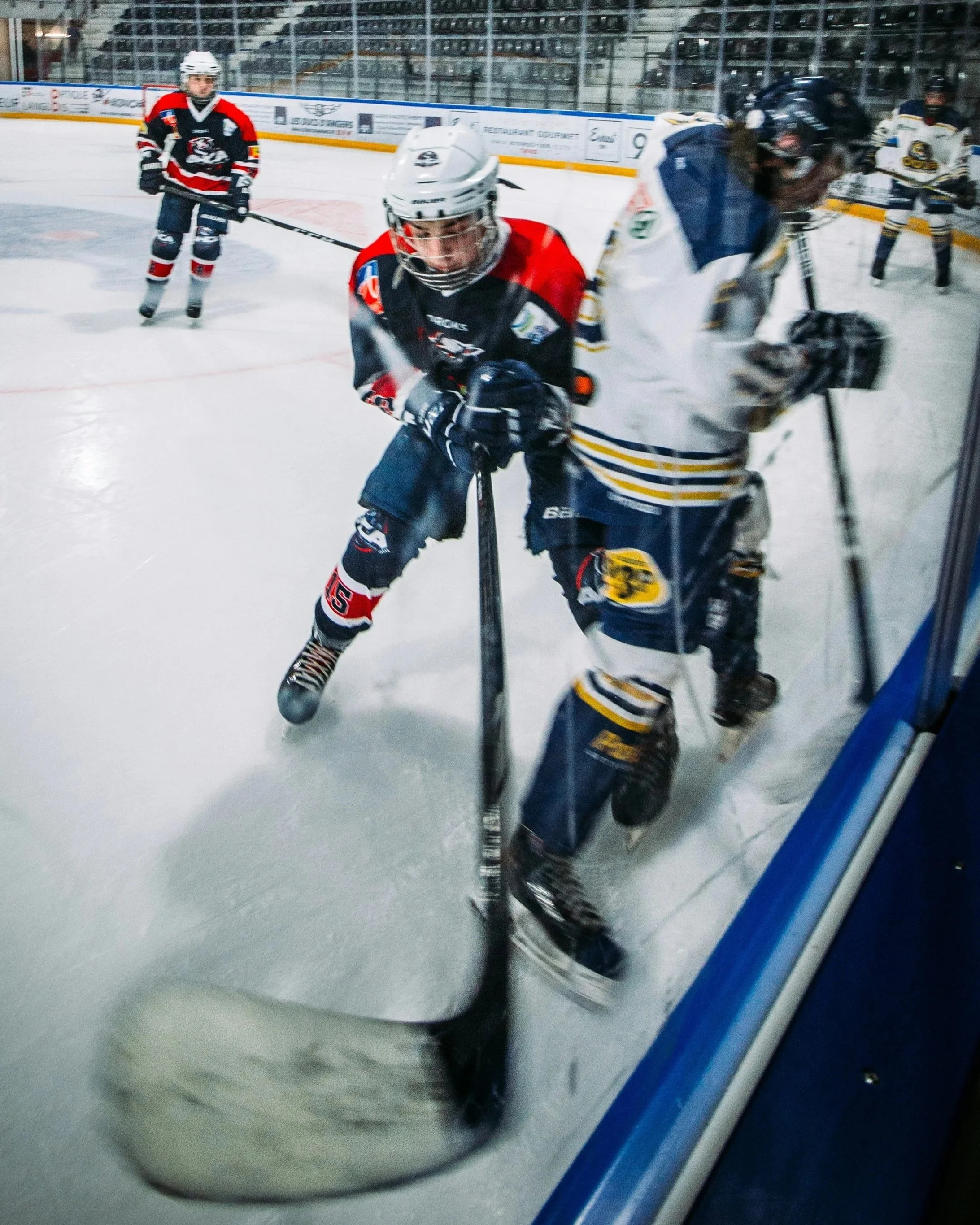
Hockey practices and games can be physically demanding, and a busy schedule may include practices, games, strength training, and tournaments in the same week.
Consistently eating too little can leave you fatigued, compromise training quality, slow recovery, and make it harder to perform at your best.
You can't consistently perform at a high level if you aren't consistently fueling your body.
Carbohydrates Are Fuel
Carbohydrates are an important source of readily available energy for hockey's repeated high-intensity efforts.
They help fuel skating, sprinting, shooting, checking, and rapid changes in direction while helping replenish muscle glycogen between sessions.
Good sources include:
Fruit
Potatoes
Rice
Oats
Bread
Pasta
Whole grains
Beans
Your carbohydrate needs will change depending on your training and competition schedule.
More work generally means more fuel.
Prioritize Protein
Hockey players need protein to help repair and rebuild muscle after practices, games, and strength training.
Good sources include:
Eggs
Greek yogurt
Milk
Chicken and turkey
Lean beef
Fish
Cottage cheese
Beans and legumes
Rather than trying to consume all your protein in one meal, include quality protein throughout the day.
Don't Fear Healthy Fats
Dietary fat provides energy along with essential fatty acids and other important nutrients.
Prioritize nutrient-dense sources such as:
Nuts
Seeds
Avocado
Olive oil
Fatty fish
A balanced diet doesn't require eliminating dietary fat.
Hydration Matters
Hockey players can lose significant amounts of fluid during practices and games, even in a cold rink.
Heavy equipment, intense exercise, and prolonged activity can all contribute to sweating and fluid loss.
Start hydrated and drink consistently throughout the day.
Your individual needs depend on factors such as body size, exercise duration and intensity, and sweat rate.
What About Electrolytes?
Water may be sufficient for shorter or less demanding sessions.
Electrolytes can become more useful during longer practices, games, tournaments, or periods of heavy sweating.
Match your hydration strategy to the demands of your training.
Fuel Before You Play
Don't step onto the ice running on empty.
A meal a few hours before a game should generally emphasize carbohydrates, include some protein, and consist of foods you know you tolerate well.
Examples include:
Oatmeal + fruit + Greek yogurt
Rice + chicken + vegetables
Turkey sandwich + fruit
Eggs + toast + fruit
Yogurt + granola + berries
If you're eating closer to game time, choose a smaller, easier-to-digest snack.
Pack Your Own Fuel
Hockey schedules don't always make regular meals convenient.
Keep easy-to-eat options available for practices, tournaments, and travel:
Bananas and other fruit
Granola bars
Pretzels
Crackers
Sandwiches
Yogurt
Trail mix
Sports drinks
Water
Being prepared makes good nutrition much easier.
Fuel Between Periods
Hockey is different from many sports because games are broken into periods with scheduled intermissions.
Those breaks aren't just opportunities to catch your breath. They can also provide an opportunity to replace fluids and carbohydrates.
During longer games or demanding competition, easily digested carbohydrate sources and fluids can help support energy levels.
Avoid eating so much that you return to the ice feeling overly full.
Recovery Starts After the Game
Your nutrition doesn't stop when you leave the ice.
After demanding practices, games, or strength sessions, combine carbohydrates and protein to help replenish energy stores and support muscle recovery.
Examples include:
Chocolate milk + fruit
Greek yogurt + berries + granola
Smoothie with fruit and Greek yogurt
Turkey sandwich + fruit
Eggs + toast
Chicken + rice + vegetables
Recovery is part of training.
Eat Your Fruits & Vegetables
Athletes need more than protein and carbohydrates.
Fruits and vegetables provide vitamins, minerals, fiber, carbohydrates, and fluids that support overall health and athletic performance.
Make them a consistent part of your meals and snacks.
Match Your Nutrition to the Work
Your nutritional needs aren't identical every day.
A game day, long practice, tournament, conditioning session, and strength workout may require more fuel than an easy or rest day.
Match your food intake to the work you're asking your body to do.
Don't Confuse Being Lean With Being Well-Fueled
Some hockey players may feel pressure to change their body composition in pursuit of better performance.
But aggressively restricting food can compromise energy, recovery, training quality, and overall health.
The goal isn't to become as light as possible. The goal is to become as strong, healthy, and well-fueled as possible.
Practice Your Nutrition
Game day isn't the time to experiment with a new meal, snack, sports drink, or hydration strategy.
Use practices to figure out:
What foods sit well with you
How long before skating you should eat
What to eat before games
What works during intermissions
How much fluid you need
What works best for recovery
Practice your nutrition just like you practice your game.
The Four Pillars of Nutrition
A strong hockey diet doesn't have to be complicated.
Build your everyday eating pattern around the Four Pillars of Nutrition:
Lean meat, seafood & dairy
Fruits & vegetables
Whole grains
Nuts & seeds
These aren't the only foods you can eat.
They're a framework for gradually and consistently preferring a greater variety of nutrient-dense foods that help fulfill your body's nutritional needs while supporting positive long-term health outcomes.
The Bottom Line
Eat enough. Prioritize carbohydrates and protein.Include healthy fats, fruits, vegetables, and whole grains.
Stay hydrated.
Fuel before games and practices. Use intermissions and recovery periods strategically. Match your nutrition to your training load.And practice your nutrition before competition.
Don't just play the game.
Fuel the athlete.
If you’d like personalized guidance on what this means for you or the hockey player in your family, don’t hesitate to CONTACT US.
We’re here to help.