Yes, a Calorie Deficit Is the Only Way to Lose Weight
Reviewed By Danielle Glesne, RDN, LD, CDCESFew nutrition topics generate more debate on social media than the idea of a calorie deficit.
You'll find countless posts claiming calories don't matter, that hormones are all that matter, or that weight loss is impossible without following a specific diet, eating at certain times, or avoiding certain foods.
It's no wonder so many people feel confused and frustrated.
So let's clear up an important distinction: A calorie deficit is not a diet.
It's a biological mechanism.
Understanding that difference can make nutrition and weight loss far less confusing.
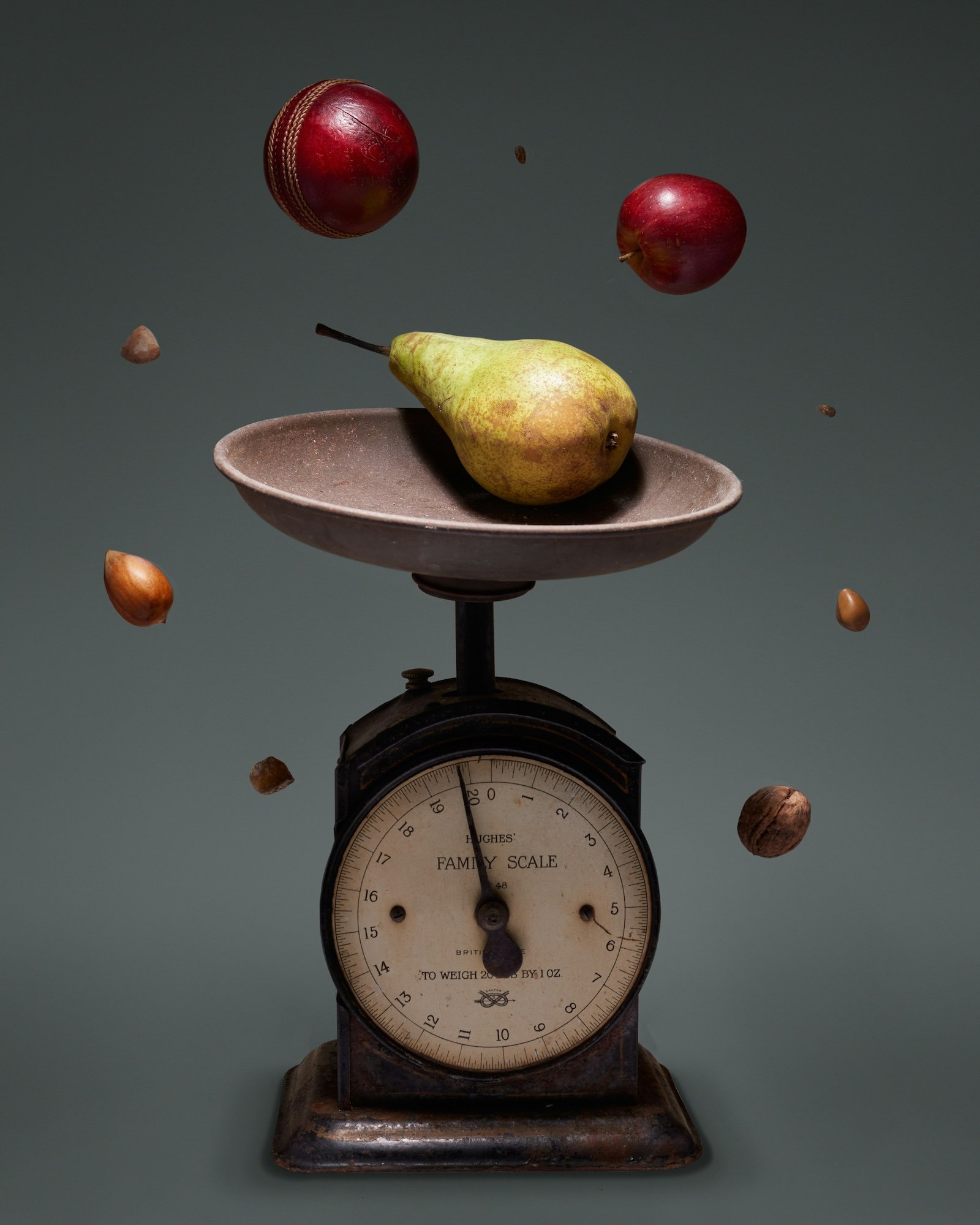
What Is a Calorie Deficit?
A calorie deficit—technically called a negative energy balance—occurs when your body expends more energy than it receives from food and beverages over time.
Think of your body like a bank account.
Calories you consume are deposits.
Calories your body uses are withdrawals.
When withdrawals consistently exceed deposits, your body must obtain the remaining energy from stored energy—primarily body fat, but sometimes glycogen and, under certain circumstances, lean tissue.
That is the physiological mechanism behind weight loss.
Why Is It Called Energy Balance?
Every day, your body is constantly balancing energy.
Energy comes in through food and beverages.
Energy goes out through:
Your resting metabolism (the energy required to keep you alive)
Physical activity
Exercise
Digestion of food
Everyday movement like standing, walking, and fidgeting
If net energy intake exceeds net energy expenditure over time, body weight increases.
If net energy expenditure exceeds net energy intake over time, body weight decreases.
That's what is meant by energy balance.
But What About Hormones?
This is where much of the confusion begins.
Hormones absolutely influence body weight.
They can affect:
Hunger
Fullness
Food cravings
Appetite
Resting metabolic rate
Energy levels
Willingness to exercise
Where fat is preferentially stored
Conditions involving hormones—such as thyroid disorders, insulin resistance, menopause, or certain medications—can make losing weight more difficult for some people.
But hormones do not eliminate the underlying biological mechanism.
Instead, hormones influence one or both sides of the energy balance equation.
For example:
Increased hunger may lead someone to consume more calories.
Fatigue may reduce physical activity and daily energy expenditure.
Certain medications may lower resting metabolic rate or increase appetite.
Those changes absolutely matter.
But the body still loses weight when it is in a sustained negative energy balance.
Hormones influence the equation.
They do not replace it.
What About Different Diets?
You likely know many, if not at:
Keto
Low-carb
Low-fat
Mediterranean
Plant-based
Intermittent fasting
High-protein
These approaches are known to help people lose weight.
Why?
Because many people naturally consume fewer calories while following them.
Some diets reduce hunger.
Some eliminate frequent snacking.
Some increase satiety through protein or fiber.
Some simplify food choices.
Some improve adherence by matching a person's preferences.
The common denominator isn't the diet's name.
The common denominator is that the person ends up spending more time in a calorie deficit.
This Doesn't Mean Calories Are the Only Thing That Matters
One of the biggest misconceptions is that acknowledging the importance of a calorie deficit means food quality doesn't matter.
It absolutely does.
Two diets with the same number of calories can produce very different outcomes for:
Hunger
Energy
Muscle maintenance
Athletic performance
Digestive health
Cardiovascular health
Blood sugar management
Long-term disease risk
A calorie deficit determines whether you lose weight.
The quality of your diet helps determine how you feel while losing it and supports your overall health.
Both matter.
Why So Many People Think They're in a Calorie Deficit
One reason the debate continues is because many people genuinely believe they're eating very little but aren't losing weight.
In reality, research consistently shows that most people unintentionally underestimate how much they eat and overestimate how much they burn through exercise.
Common reasons include:
Larger portions than expected
Liquid calories
Weekend overeating
Frequent snacking
Restaurant meals
Hidden oils, sauces, and dressings
This isn't a character flaw.
It's simply a reminder that estimating calories is much harder than most people realize.
Don't Miss the Bigger Picture
The goal isn't to obsess over every calorie forever.
The goal is to understand the biological principle so you can build sustainable habits around it, such as:
Eating more protein
Prioritizing fruits and vegetables
Choosing higher-fiber foods
Strength training
Walking more
Sleeping well
Managing stress
All of these habits can make it easier to maintain a calorie deficit by improving hunger, satiety, energy, and adherence.
In other words, healthy habits don't replace a calorie deficit—they help create and sustain one.
The Bottom Line
A calorie deficit is not a fad, a trend, or a marketing slogan. It is the biological mechanism through which body weight decreases over time.
Hormones, medications, genetics, age, sleep, stress, and countless other factors can absolutely influence how difficult weight loss feels by affecting energy intake, energy expenditure, or both. But they do not negate the underlying mechanism: to lose weight, your body must spend more energy than it receives over time.
Understanding this doesn't make weight loss easy, but it does make it much less confusing. Once you understand the mechanism, you can focus your attention on building sustainable habits that help you achieve it while improving your overall health.
If you’d like personalized guidance on what this means for you and your family, don’t hesitate to CONTACT US.
We’re here to help.